
Mediterranean Architecture in Spain: A Timeless Blend of Beauty and Function
Spain, with its sun-drenched coastlines, ancient cities, and vibrant culture, is home to one of the most iconic and beloved architectural styles in the world: Mediterranean architecture. Rooted in centuries of history and influenced by various civilizations, the Mediterranean architectural style found in Spain reflects a unique fusion of function, aesthetics, and harmony with the natural environment.
This article explores the origins, characteristics, and contemporary relevance of Spanish Mediterranean architecture, offering insights into why this timeless style continues to inspire architects and homeowners around the globe.
—
Origins of Mediterranean Architecture in Spain
Mediterranean architecture in Spain is a product of the country’s complex and layered history. Influences can be traced back to ancient Roman times, but the most profound impact came from the Moorish occupation (711–1492), when Islamic architecture merged with local traditions to form the distinctive Mudejar style. Later, elements from Renaissance and Baroque movements were incorporated, enriching the aesthetic vocabulary.
Spain’s Mediterranean style also evolved as a response to the region’s climate. Hot summers, mild winters, and coastal winds necessitated practical solutions for comfort and energy efficiency, shaping both the form and materials used in construction.
—
Key Characteristics of Spanish Mediterranean Architecture
The Mediterranean architectural style in Spain is characterized by a series of defining features that make it instantly recognizable. These include:
1. Whitewashed Walls
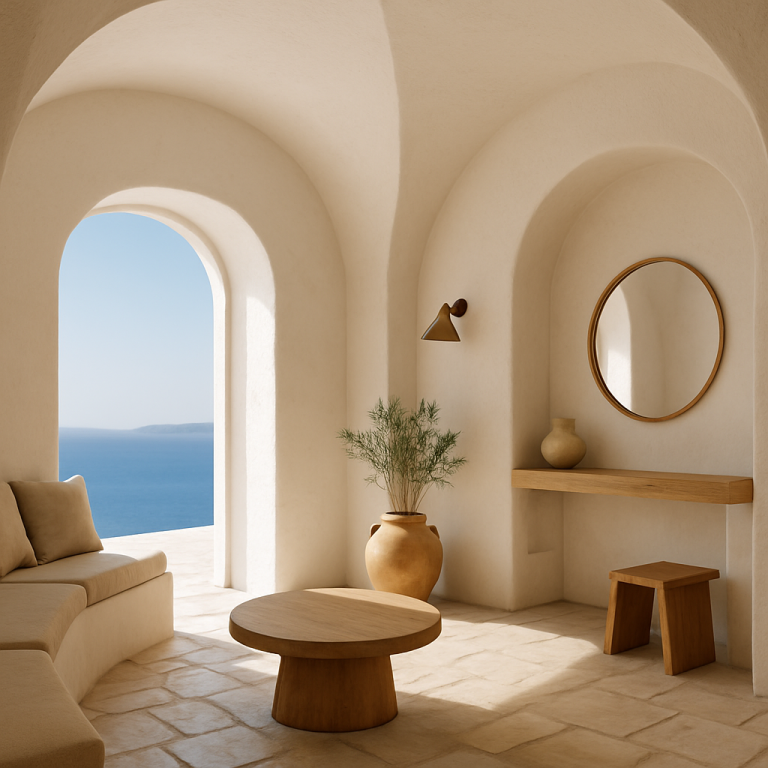
Perhaps the most iconic element of Spanish Mediterranean architecture is the use of white or light-colored stucco on exterior walls. This reflects sunlight, helping to keep interiors cool during the hot summer months. In regions like Andalusia or the Balearic Islands, whitewashed homes dot the hillsides, creating picturesque landscapes.
2. Terracotta Roof Tiles
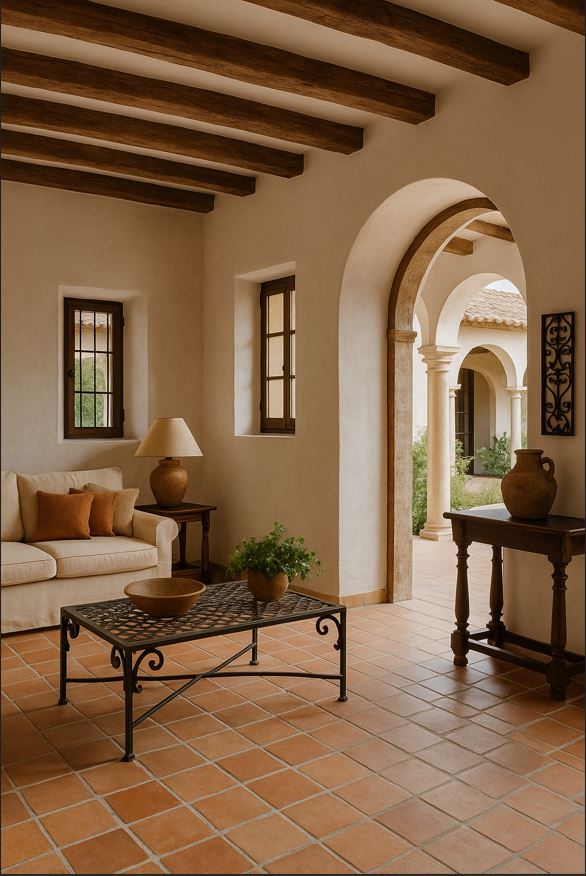
The roofs are typically made of curved terracotta tiles in earthy tones like red or orange. These tiles not only provide insulation but also contribute to the rustic charm of the architecture.
3. Courtyards and Patios
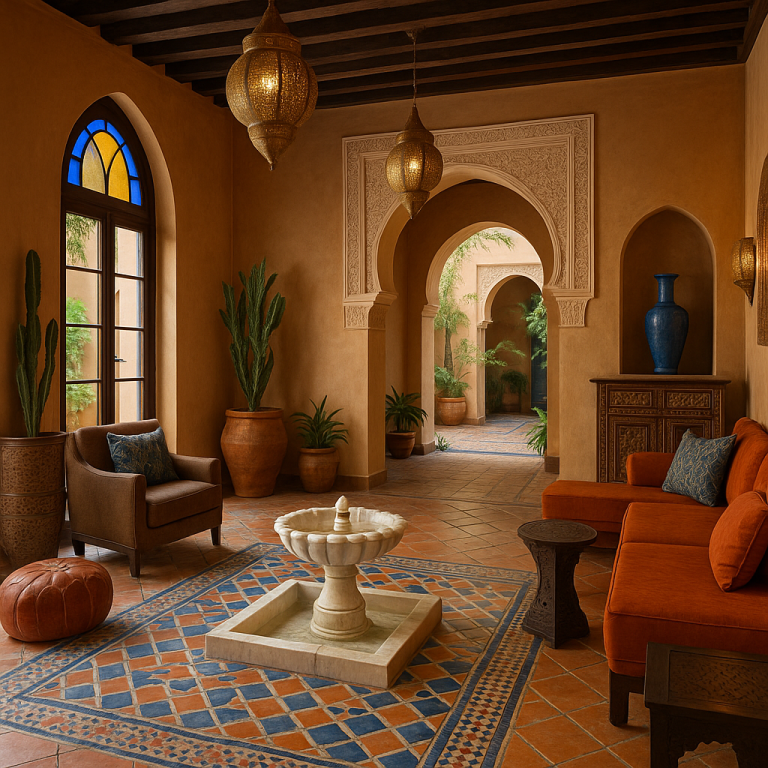
Central courtyards, or “patios”, are fundamental in traditional Spanish Mediterranean homes. These open-air spaces serve as a sanctuary for relaxation and often feature fountains, plants, and tiled flooring. They are both aesthetic and functional, promoting ventilation and light.
4. Arches and Columns
Rounded arches, often inspired by Roman and Moorish architecture, are a key design element. Whether used in doorways, windows, or colonnades, arches add an elegant and historic feel.
5. Ornamental Ironwork
Decorative wrought iron railings, grilles, and light fixtures are frequently used. These elements, often handcrafted, contribute a sense of artistry and craftsmanship to the buildings.
6. Natural Materials
The use of natural materials like stone, wood, and clay is prevalent. Wooden beams are commonly exposed in ceilings, adding warmth and authenticity to the interiors.
7. Tiled Details
Colorful ceramic tiles, known as azulejos, adorn walls, staircases, and fountains. These tiles often feature intricate geometric or floral patterns, a nod to Islamic artistic influence.
—
Regional Variations Within Spain
While the Mediterranean style shares common traits, its expression varies from region to region across Spain:
Andalusia: Strong Moorish influence is evident, particularly in the use of intricate tilework, lattice screens, and lush interior patios.
Catalonia: Here, the Mediterranean style merges with Gothic and Modernist influences, as seen in the works of Antoni Gaudí.
Valencia and Alicante: Coastal homes often feature spacious terraces, sea-facing arches, and extensive use of white plaster and blue accents.
—
Modern Interpretations of Mediterranean Architecture
In contemporary architecture, the Mediterranean style remains a popular choice not only in Spain but also worldwide. Architects continue to draw on traditional elements while incorporating modern innovations.
For instance:
Open-plan interiors with minimalist decor blend old-world charm with modern living.
Sustainable materials and energy-efficient technologies are now integrated without compromising the aesthetic.
Indoor-outdoor living is emphasized, with sliding glass doors that open onto terraces or patios.
Modern Mediterranean homes in Spain often maintain the traditional palette of white, beige, and terracotta, but may introduce bolder colors or sleek finishes to create contrast and visual interest.
—
Why the Style Endures
The Spanish Mediterranean style has endured through the centuries because of its unique ability to balance beauty, functionality, and cultural identity. It provides:
Climate-responsiveness: Homes stay cool in the summer and warm in the winter thanks to their materials and design.
Connection to nature: Outdoor spaces are integral, blurring the line between interior and exterior.
Aesthetic appeal: The rustic charm, earthy tones, and artisan details offer timeless visual appeal.
Cultural richness: Every element tells a story of Spain’s diverse historical and artistic heritage.
—
Notable Examples in Spain
The Alhambra (Granada): While more Islamic in style, the Alhambra’s patios, arches, and water features laid groundwork for later Mediterranean designs.
Traditional houses in Ibiza: These whitewashed cubic homes with flat roofs are a minimalist interpretation of the Mediterranean ideal.
Casa Batlló (Barcelona): Though a Modernist masterpiece, Gaudí’s design shows Mediterranean influence in its organic forms and tiled surfaces.
—
Conclusion
Spanish Mediterranean architecture is more than just a design style — it is a reflection of Spain’s history, geography, and way of life. It brings together beauty, simplicity, and practicality in a way that feels timeless yet adaptable. Whether in the narrow alleys of Seville, the sunny coasts of Costa Brava, or the island towns of Mallorca, the Mediterranean spirit lives on in every whitewashed wall, terracotta roof, and sun-drenched patio.
As interest in sustainable, nature-connected living grows, the Spanish Mediterranean style continues to offer a compelling model for homes that are not only beautiful, but also built for the rhythms of life and nature.
 French
  English